Our Services
- Home
- Energy Audit Service

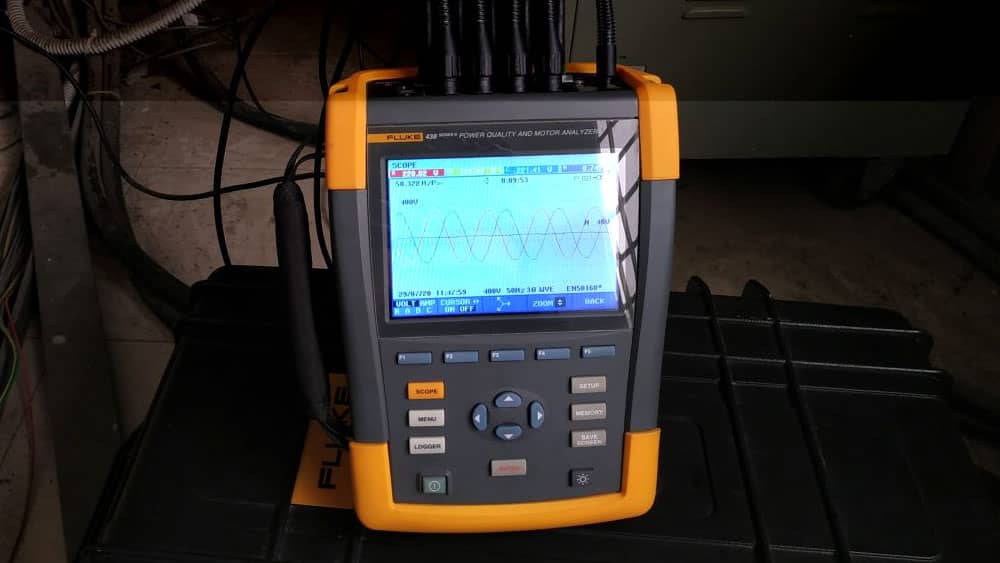
Energy audit service is a professional assessment of how energy is used in a facility and how it can be optimized. In Bangladesh, rising electricity costs and increasing industrial demand make energy management more important than ever. We suggest that clients consider energy audit services as a preventive and strategic solution to reduce waste, improve system efficiency, and control operating costs. Instead of reacting to high bills or system overloads, an energy audit helps identify problems in advance and provides a clear improvement plan.
An energy audit is a structured process of studying energy consumption patterns in buildings, factories, and commercial facilities. It includes examining electrical systems, lighting, HVAC systems, motors, compressors, and production equipment. The goal is to understand where energy is being lost and how it can be saved. We recommend energy audits because they provide data-based insights rather than assumptions, allowing clients to make informed decisions for system upgrades and maintenance.
Bangladesh faces challenges such as power shortages, increasing fuel costs, and growing industrial loads. Many factories and buildings use outdated equipment that consumes more power than necessary. We advise organizations to adopt energy audit services to reduce dependency on excessive energy use and to improve overall system performance. By identifying inefficient systems, clients can take corrective actions before their power costs become unmanageable.
Energy audit service works as a preventive maintenance method because it detects issues before they cause system failure or high energy loss. Problems like overloaded motors, poor power factor, voltage imbalance, and heat loss can be identified early. We suggest clients treat energy audits not only as a cost-saving tool but also as a system health check. Preventive action based on audit results can prevent equipment damage and extend operational life.
Energy audits can be classified into three main types:
Preliminary Energy Audit:
This is a basic level audit that reviews past electricity bills and identifies major energy-consuming areas. We recommend this for small facilities or for clients starting energy management practices.
Detailed Energy Audit:
This involves on-site measurement, equipment analysis, and system evaluation. It provides detailed recommendations with cost-benefit analysis. This is ideal for factories, hospitals, and large commercial buildings.
Investment Grade Audit:
This is suitable for large projects and focuses on financial return, payback period, and performance modeling. We suggest this type for organizations planning major system upgrades or renewable energy integration.
Energy audit service focuses on multiple system components:
Electrical Distribution Systems:
Transformers, panels, cables, and protection devices are checked for losses, overheating, and imbalance. We recommend this inspection to reduce power loss and safety risks.
Lighting Systems:
Lighting consumes a significant portion of electricity in commercial and industrial buildings. Audits analyze lighting type, layout, and usage pattern. Clients can shift to energy-efficient LED systems based on audit recommendations.
Motors and Drives:
Motors are major energy consumers in industries. An energy audit evaluates motor efficiency, loading, and control methods. We advise replacing oversized or inefficient motors to save energy.
HVAC and Cooling Systems:
Air conditioning and ventilation systems consume large amounts of electricity. Audits examine insulation, airflow, and control systems. We recommend improving thermal management to reduce unnecessary energy use.
Compressed Air and Utility Systems:
Leakages and poor maintenance in compressors cause high energy waste. Energy audits help detect these losses and propose corrective actions.
Energy audit service offers several long-term benefits:
Reduction in Energy Bills:
By identifying waste and inefficiencies, clients can reduce their monthly power costs.
Improved Equipment Performance:
Energy-efficient operation reduces mechanical stress and extends equipment lifespan.
Enhanced Safety:
Overloaded circuits and overheating equipment can cause accidents. Energy audits help prevent such risks.
Environmental Protection:
Lower energy use reduces carbon emissions and supports environmental sustainability.
Better Budget Planning:
Audit reports provide clear improvement plans with estimated cost and savings, helping management plan investments.
Industries in Bangladesh are expanding rapidly, especially in textile, manufacturing, and processing sectors. Without energy optimization, production costs rise and competitiveness decreases. We suggest industries adopt energy audits as part of regular operational planning. This allows them to produce more with less energy and maintain stable production quality.
Energy audits often reveal similar issues across facilities:
We advise clients to address these issues systematically based on audit recommendations.
Bangladesh is increasingly focusing on energy efficiency and sustainable development. Some sectors require energy reporting and efficiency improvements. We recommend energy audits to help organizations prepare for future regulations and demonstrate responsible energy management.
An effective energy audit requires technical knowledge and experience. We suggest selecting service providers who use modern testing instruments, provide clear reports, and offer practical recommendations. A good audit does not just identify problems but also provides realistic solutions suitable for local operating conditions.
Energy audit service is only effective when recommendations are implemented. We advise clients to create an action plan based on priority and budget. Simple measures such as correcting power factor, fixing air leaks, and improving lighting can provide quick savings. Larger upgrades can be planned in stages for long-term benefits.
Commercial buildings such as shopping malls, offices, and hospitals use large amounts of electricity for lighting and cooling. Energy audits help reduce unnecessary consumption while maintaining comfort and safety. We suggest building owners use energy audit services to reduce operating expenses and increase building value.
Energy audit service in Bangladesh is not just about saving electricity; it is about using energy wisely. It helps detect hi dden losses, improves system efficiency, and supports preventive maintenance. We strongly suggest that industrial, commercial, and institutional clients adopt energy audits as a regular practice. By acting today, organizations can reduce costs, protect equipment, and contribute to a more energy-efficient future for Bangladesh.
